
Feedproxy.google.com and FeedBurner Feed URLs Explained (2026)
Seen a link that starts with feedproxy.google.com, or a feed address on feeds2.feedburner.com? This article explains what these Google FeedBurner addresses were, why they changed back in 2009, and which feed URL you should use for your site today.
Quick answer: feedproxy.google.com was a Google FeedBurner address used when FeedBurner accounts moved to Google. Feeds were served from it and links in feed readers often passed through it. The main FeedBurner address is feeds.feedburner.com, but the safest feed to promote today is your own site feed, such as yoursite.com/feed/ on WordPress.
Table of Contents
What is feedproxy.google.com?
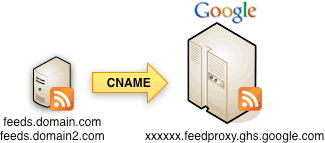
Google bought FeedBurner, the popular RSS feed service, and later moved all FeedBurner accounts into Google accounts. During that move, feeds that used to live at feeds.feedburner.com started redirecting to new Google addresses. Our own feed, feeds.feedburner.com/QuickOnlineTips, redirected to feedproxy.google.com/QuickOnlineTips for a few months.
Feed readers and email subscribers also saw article links that went through feedproxy.google.com before reaching the real post. That is why old bookmarks and shared links from that era often start with feedproxy.
The 2009 switch from feedproxy to feeds2
In January 2009, while I was tweaking some feeds in Yahoo Pipes, many of them returned strange errors. Our FeedBurner feed was now redirecting to feeds2.feedburner.com/QuickOnlineTips instead of feedproxy.google.com/QuickOnlineTips, and the FeedBurner dashboard also showed the feeds2 address.

It was not just us. Big blogs like TechCrunch had the same redirect. Twitter user @NischalShetty also pointed out a third copy at feedproxy.feedburner.com that was not being updated.
Google never explained the switch clearly. It may have been linked to fixing feed issues, or simply to the mass migration of FeedBurner accounts into Google accounts.
Why it caused problems
- Duplicate feeds: the same content lived at several addresses, which was confusing for search engines and feed directories.
- Which feed to link? Publishers did not know which address to show as their official feed.
- Stale indexing: several feed indexing services stopped updating our feed after the redirect.
FeedBurner and feedproxy in 2026
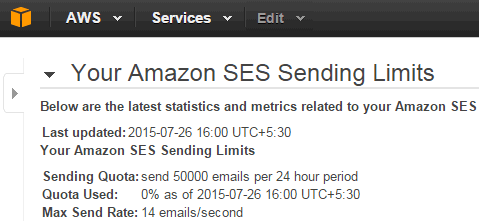
FeedBurner still exists, but Google moved it to a simpler, maintenance-style service in 2021 and switched off email subscriptions and several advanced features. Many sites, including ours, moved email subscribers elsewhere; read how we moved FeedBurner subscribers to Amazon SES.
If you find an old feedproxy.google.com link that no longer opens, search for the article title on the original website instead. Don’t rely on old FeedBurner redirect addresses for anything important.
Which feed URL should you use today?
- Promote your own feed (for example yoursite.com/feed/ on WordPress). You control it, and it never changes if you leave a service.
- Keep FeedBurner running if you already use it, so existing subscribers keep getting updates.
- Use the main address feeds.feedburner.com/yourfeed rather than old feeds2 or feedproxy variants.
- Check the feed is valid with the W3C Feed Validation Service.
- Read with a modern reader such as Feedly or Inoreader.
If your FeedBurner feed is stuck, see how to fix FeedBurner feeds not updating, and check whether caching plugins are delaying your RSS feed.
FAQ
Is feedproxy.google.com safe?
It is a genuine Google FeedBurner domain. It was used to serve feeds and redirect feed links to the original articles.
Why do some old links start with feedproxy?
Links clicked in feed readers and FeedBurner emails often passed through feedproxy.google.com so FeedBurner could count clicks.
Is FeedBurner shutting down?
Google has not shut it down, but it moved FeedBurner to maintenance mode in 2021 and removed email subscriptions.
What should replace FeedBurner email?
A newsletter or RSS-to-email service, or a self-hosted setup like Sendy with Amazon SES, which is the route we took in 2015.
Get our free weekly email: new tech guides and tools, no spam.
New and updated tech guides, a free tool worth bookmarking and one useful pick, once a week. No spam, unsubscribe anytime.
One email a week. Unsubscribe anytime. See our privacy policy.

yes,feeds2.feedburner.com is the final address andd it now stored in google servers
From what I understand from Google, feeds2.feedburner.com is the final address. I’m linking my feed to this URL.
Hmm… interesting about “feeds2.feedburner.com” being the final address. One has to suspect the source of this information as it doesn’t seem legitimate.
If it was actually addressed in the Feedburner Google Group or in some Google documentation that would be sufficient enough for me.
I am relived to find this article tonight. I have been pondering what to do about Feedburner showing my feed one way and my default showing another way. I did nothing at all at first (last week) but now I am changing to the new “feeds2” address on my blogs. Do hope it is the last time.
No, your case is certainly not isolated, as I noticed the same thing when I was updating some things today and researched on it. Why we’ve had a double-change, I don’t know, but apparently, according to a Google engineer (source) the feeds2.feedburner.com “should be the final address as part of this migration campaign.” I’d like to see a proper clarification from Google before I hold my breath on it though.