
AdSense Heat Map: Best Ad Placements That Still Work in 2026
Where should you put ads on your site? Years ago Google AdSense published an AdSense heat map showing which parts of a typical page earn best, with dark orange for the strongest spots and pale yellow for the weakest. Many sites redesigned their layouts around it. Google has since retired the heat map from its help pages, because most traffic is now mobile and layouts are responsive. Here is what the heat map taught, what still holds in 2026, and where ads perform best today.
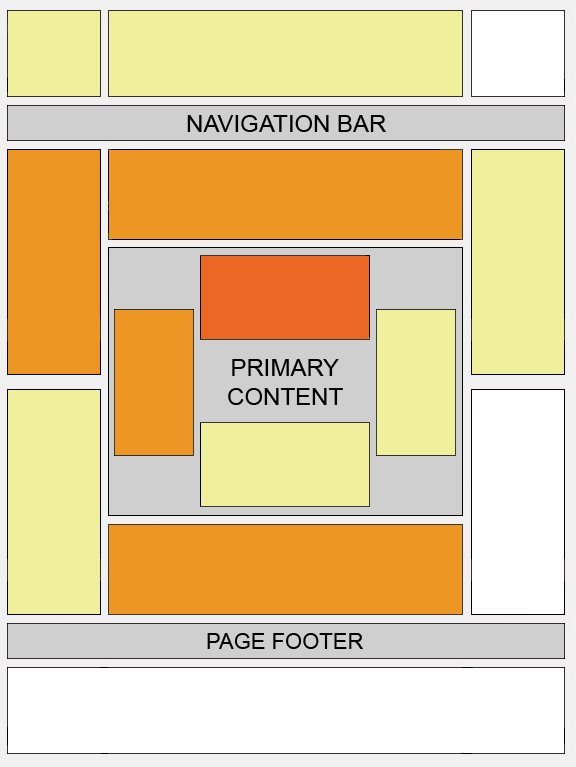
Quick answer: The AdSense heat map showed that ads placed above the fold and next to the main content, especially near the top left where readers look first, performed best. In 2026 the same idea applies: put one ad near the top of the content (without pushing it down), use in-article ads between paragraphs, add a sticky anchor or side rail through Auto ads, and test with AdSense Experiments.
Table of Contents
What the AdSense heat map showed
- Colours faded from dark orange (best performance) to light yellow (weakest).
- Ads above the fold usually beat ads lower down.
- Ads close to rich content and navigation did well, because that is where readers focus.
- The top left of the page, where eyes land first, was a hot spot.
Google always said it was a general guide based on its data, not a rule. The real lesson was that content comes first: readers come for your content, and ads placed where they are already looking earn the most.
Best AdSense ad placement in 2026
1. Near the top of the content
An ad just below the title or after the first paragraph is seen by almost everyone. Keep the first screen useful, though; Google’s page layout guidance penalises pages where ads push content below the fold.
2. Inside the article
In-article ads between paragraphs are usually the strongest placements today, especially on mobile where there is no sidebar. Space them out, for example every four to six paragraphs. See how to insert AdSense ads between WordPress posts.
3. Anchor and side rail ads
Auto ads can add a sticky anchor ad at the screen edge and side rail ads on wide screens, which stay visible as readers scroll. Turn them on in AdSense Auto ads.
4. Sidebar on desktop
A tall unit like the 300×600 half page in a sticky sidebar still earns well on desktop, but remember mobile visitors never see it.
5. End of the article
Readers who finish an article are engaged. A unit or a multiplex (related content) ad here works well alongside related posts.
Placements to avoid
- Ads that look like menus, buttons or download links.
- Ads so close to buttons that people click them by accident.
- Too many ads on short pages; they lower RPM and annoy readers.
Read our list of common AdSense mistakes to stay safe.
Make your own heat map
Every site is different, so measure yours. Free tools like Microsoft Clarity show heat maps and scroll depth for your actual pages, revealing where readers stop scrolling. Combine that with AdSense’s per-page reports and run one change at a time in AdSense Experiments. Learn more ways to increase AdSense CTR.
Desktop vs mobile placement
The original heat map assumed a desktop page with a header, sidebar and wide content column. On phones, all of that collapses into one narrow column, so the “hot” area is simply the content itself as people scroll. That is why in-article and anchor units now earn the bulk of mobile revenue, while sidebar units matter only on desktop. Check the device report in AdSense to see how much of your traffic is mobile before deciding where to spend your effort.
FAQ
Is the AdSense heat map still available?
No. Google removed it from its help pages; its ideas live on in Auto ads and placement best practices.
What is the best AdSense placement on mobile?
In-article ads and an anchor ad usually perform best, because mobile pages have no sidebar.
Does ad placement affect SEO?
Yes. Ads that push content down or interrupt reading can hurt page experience and rankings.



Adsense is a good start for monetising your website but you should not expect to be rich anytime soon.