
How Indian Elections Buzz in The Internet Era
Indian Elections are in full swing and Indian politicians have changed the way they are communicating with the Indian public to draw votes for the elections in 2009. The new Internet has changed the way an informed electorate goes to vote…
Table of Contents
1. Online Advertising
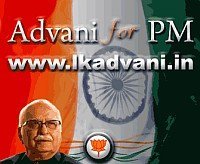
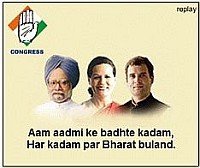
You can easily spot major political parties running Google Adwords campaigns which run via Adsense ads across millions of sites. A month back most of our site pages showed these ads only for Indian visitors, meaning they were targeting with a huge budget on lots of broad keywords.
2. Mobile SMS
Every day I am getting many SMS messages from politicians in my constituency on my mobile phone. Bulk mobile number lists are easily available for sale at cheap rates in India. Bulk SMS rates have got even cheaper than before, and the promotion directly reaches individual mobiles which is really targeted. How they bypass the Do Not Call registry, I can’t figure that out.
3. Social Networking
Most political leaders have developed a Facebook presence to get personal with the voters (see the Congress India page). Twitter is a rage in the election scenario too with many political parties twittering away with their fans (Find @bjp_ on Twitter), though it is often difficult to establish if it’s the official one. You can also find many fan groups and local leaders active on other social networking sites like Orkut. Obama used Twitter successfully to tap the voters.
4. Online Videos
As broadband internet has spread throughout India, online videos have become popular media and politicians are using video-sharing sites like Youtube for maximum propaganda and voter reach. See how BJP Channel on Youtube keeps uploading new insider videos.
5. Blogging
Many politicians have blogs via which they are directly communicating with the electorate (like LK Advani’s blog). Blogs allow leaders to directly express their views and communicate with voters on a personal basis, bypassing the party pages.
6. Old & New Join Hands
Big online giants like Google pitched in to track the Indian elections and partner with old media giants like Hindustan Times to bring up-to-date information about Indian elections. More tie-ups between new and old media are the future.
7. Celebrity Buzz
More and more Indian celebrities pitched in to encourage voters to vote and select the right people to form the government. See the initiative below (Hindi) –
Stuck on a gift? Try our free Gift Idea GeneratorIdeas for anyone by age, job, interests and budget, with Amazon.com and Amazon.in linksFind gifts →Didn’t find what you were looking for? Tell us in a line.

$4.99Free when you subscribe
Get 100 tech terms explained in plain English
8-page PDF on AI, coding, slang and SEO + one tech email a week.
Don’t want emails? Buy the PDF for $4.99 (opens in a new tab) (external site)
Sent by email. Unsubscribe anytime. See our privacy policy.


Politicians have really hit it this time by going right to the voter’s SMS inbox. Most Bulk SMS Aggregators do not even adhere to the NDNC policies. The reason why these aggregators have become fearless is that consumers like us to do not initiate complaints with our operators considering it to be time consuming and a hassle in explaining the entire SMS to the Call Center Exec who has ‘limited capabilities’. We should complain of all such Unsolicited Commercial Communication(UCC) so as to curb this growing menace.