
CTS 2010 Cheque: How to Check Your Cheque Book Is Valid (2026)
Have you checked that your cheque book is CTS-2010 compliant? Back in March 2013 the RBI told Indian banks to accept only CTS-2010 standard cheques from 31 July 2013, and many people had to rush for new cheque books. More than a decade later, every bank in India clears cheques through the Cheque Truncation System, so a CTS 2010 cheque is the only kind that will clear. Here’s how to check yours, what to do with an old cheque book, and how cheque clearing works in 2026.
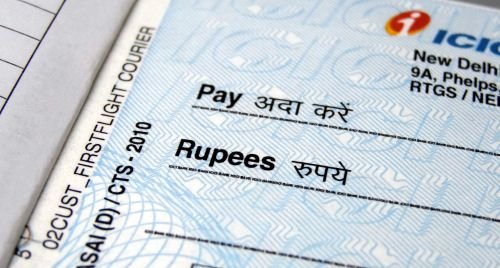
Quick answer: Look at the left side of a cheque leaf. A valid cheque has “CTS-2010” printed there, the bank logo printed in ultraviolet-visible ink, a “VOID” pantograph that appears on photocopies, and the account holder’s details in standard positions. If your cheque book doesn’t say CTS-2010, stop using it and request a new cheque book through net banking, the mobile app or your branch. Non-CTS cheques will be returned unpaid.
Table of Contents
What is a CTS 2010 cheque?
CTS stands for Cheque Truncation System. Instead of physically moving the paper cheque between banks, the presenting bank scans it and sends an image plus the MICR data to the paying bank. To make that work safely, the RBI set the “CTS-2010” standard for how cheques are printed: paper quality, fixed field positions, security features and a standard layout that scanners can read reliably.
The old 2013 deadline was about switching everyone to this format. Today all new cheque books issued by Indian banks are CTS-2010 compliant, and clearing across the country runs on CTS.
How to check if your cheque is CTS-2010 compliant

- “CTS-2010” printed on the left edge of each leaf. This is the quickest check.
- Bank logo in invisible (UV) ink, which glows under ultraviolet light at the branch.
- “VOID” pantograph: the word VOID shows up when the cheque is photocopied or scanned in colour.
- Standard positions for the date box, amount, payee line, IFSC and the MICR band at the bottom.
- No changes allowed: banks reject CTS cheques with alterations or corrections (except the date, and many banks refuse even that). Write a fresh cheque instead.
What to do with an old non-CTS cheque book
- Don’t issue cheques from it. They will be returned, and a returned cheque can cause late fees or a dispute with whoever you paid.
- Request a new cheque book. Most banks let you do this in net banking or the mobile app under “Service requests”. When I requested mine online in 2013, it arrived at home in 2 days.
- Cancel and destroy the old leaves (cut through the MICR band) so they can’t be misused.
- If you’ve given post-dated cheques for an EMI or rent from an old book, replace them, or better, switch to an e-mandate (NACH) or UPI AutoPay.
How cheque clearing works in 2026
From 4 October 2025 the RBI moved CTS from batch clearing to continuous clearing and settlement on realisation. Cheques deposited during the business day are scanned and sent on continuously, and the paying bank must confirm or return each one within the day, so the money usually reaches your account the same day instead of in a day or two. A second phase with a fixed three-hour confirmation window was announced for January 2026, but the RBI postponed it in December 2025 until further notice, so check your bank for the current timing.
Two other rules worth knowing:
- Positive Pay: for large cheques (the RBI framework covers ₹50,000 and above, and many banks make it mandatory from ₹5 lakh), you confirm the cheque details with your bank in advance through the app or net banking. Cheques that match are cleared faster and are protected under the dispute rules.
- Cheque validity: a cheque is valid for three months from its date.
Depositing a foreign cheque? See how to deposit a US dollar cheque in an Indian bank account.
The official source for clearing rules is the Reserve Bank of India website.
FAQ
Are non-CTS cheques still accepted in India?
No. Clearing in India runs on the Cheque Truncation System, and banks return cheques that don’t meet the CTS-2010 standard. Ask your bank for a new cheque book.
Is a new cheque book free?
Most savings accounts include a set number of free cheque leaves a year; extra books may carry a small fee. Check your bank’s schedule of charges.
Can I correct a mistake on a CTS cheque?
Avoid it. Banks generally reject altered CTS cheques. Cancel the leaf and write a new one.
How fast do cheques clear now?
Since October 2025, usually within the same working day under continuous clearing, depending on when you deposit the cheque.
Get our free weekly email: new tech guides and tools, no spam.
New and updated tech guides, a free tool worth bookmarking and one useful pick, once a week. No spam, unsubscribe anytime.
One email a week. Unsubscribe anytime. See our privacy policy.





Non-CTS Cheques are still valid based on certain condition. For example in HDFC Bank, effective 1st January 2015, Non CTS 2010 Standard cheques shall be cleared only once a week i.e on every Monday. Unfortunately even many bank officials are not aware about it. If any bank decline to accept Non-CTS Cheques then ask them to give the reason in writing. You may take legal action upon it.
I’m expecting that this deadline will again get extended just like it did last time…
I guess they still have millions of non CTS2010 cheques still coming to clearing houses.