
How to Slow Down Googlebot Crawling (Without Hurting SEO) 2026
Is Googlebot crawling slowing down or crashing your server? It happened to us in 2007: on shared hosting at DreamHost, Googlebot’s heavy crawling kept overloading the server, and the host blocked it and asked us to fix the problem or upgrade. Back then Google Webmaster Tools had a “Set crawl rate” option, and setting it to Slow for 90 days calmed things down without hurting our traffic. That tool is gone now. Here’s how to manage Googlebot crawl rate in 2026.
Quick answer: Google retired the crawl rate limiter in Search Console in January 2024; Googlebot now slows down automatically when your server responds slowly or returns errors. For an emergency, return HTTP 503 or 429 to Googlebot for a short time (hours or a day or two, not longer). For lasting fixes, speed up and cache your site, block bad bots and fake “Googlebots”, fix crawl traps like endless filter URLs, and check the Crawl stats report in Search Console.
Table of Contents
How Google decides how fast to crawl
Google sets a “crawl capacity limit” for each site based on how quickly and reliably it responds. If pages load fast, Googlebot crawls more; if the server slows down or returns 5xx errors, it backs off on its own. It also crawls more for sites it considers popular and fresh.
How to reduce Googlebot crawling
1. Emergency: return 503 or 429
If Googlebot is overloading the server right now, serve a 503 Service Unavailable or 429 Too Many Requests status to its requests for a short period. Google reduces crawling quickly. Don’t keep this up for more than a day or two, or pages may start dropping from the index.
2. Make the site faster and cache it
Page caching, a CDN and enough server resources let Googlebot crawl without strain. See how to make WordPress faster and safer.
3. Fix crawl traps
Calendars, faceted filters, session IDs and endless parameter URLs can create millions of near-duplicate pages. Block them in robots.txt or remove the links, and use canonical tags.
4. Block fake Googlebots and bad bots
Many bots pretend to be Googlebot. Verify real Googlebot by reverse DNS (it resolves to googlebot.com or google.com), and block impostors and aggressive scrapers with your firewall or Cloudflare’s bot protection.
5. Check Crawl stats
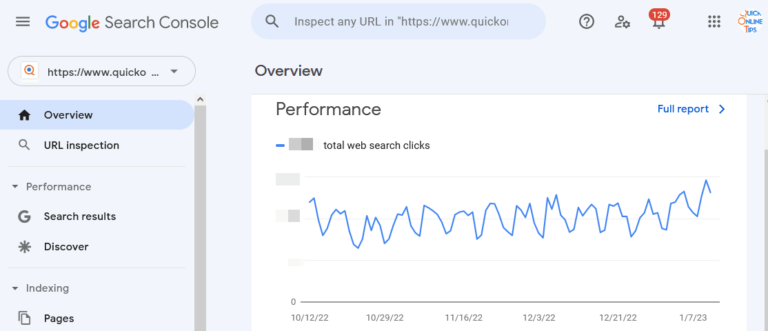
In Search Console, open Settings > Crawl stats to see requests per day, response times and status codes by file type and Googlebot type.
6. Last resort: ask Google
If crawling is still a serious problem after these fixes, Google offers a form to report excessive Googlebot crawling.
What not to do
- Don’t block Googlebot in robots.txt or .htaccess to save load, as our host once did for us. It stops indexing and can wipe out search traffic.
- Don’t use crawl-delay for Google: Googlebot ignores the
Crawl-delayrule (Bing respects it).
Our experience
After we slowed Googlebot in 2007, crawl stats became steady instead of spiky, the host was happy, and traffic actually grew as we kept publishing. A few months later, Google even offered a faster crawl rate. The lesson still applies: stable, fast servers get crawled well. Today QuickOnlineTips runs on LiteSpeed hosting with caching, and Googlebot isn’t a problem.
Want Google to crawl a new post sooner instead? Here’s how to get your blog indexed by Google.
FAQ
Can I still set Googlebot’s crawl rate in Search Console?
No. The crawl rate limiter tool was removed in January 2024.
Does slowing Googlebot hurt rankings?
A short slowdown doesn’t. Long-term errors or blocking can reduce how many pages are indexed.
Why is Googlebot crawling my site so much?
Often because of many new or changed URLs, crawl traps, or fake bots using Googlebot’s name.

I to experienced the full force of goog – 5000 + page request a day wtf. Sometimes 10 request a secound. And mysite uses http and databases. Ate my limit up pretty quick. And to beat that goog has asign me a special crawl rate that I cannot adjust unless i personally request it.
@webmaster – you can sometimes set crawl rate thu the google webmastertools link. The main google settings page, with your gmail and adwords and stuff.
Thanks for the info.
am already using Google Analytics for my site but
how can set crawl rate by my own?