
9 Ways to Generate Company Trust Online (2026)
Customers research almost every purchase online, and they quickly leave sites that feel untrustworthy. These tips show how to generate company trust online through your website, your reputation and your behaviour. Guest author Brian Easter, CEO of web agency NeboWeb, explained the foundations in 2009: strong design, visible credentials, security and authentic social media. They matter even more in 2026, when scams, fake reviews and AI-generated sites are everywhere.
Quick answer: Build online trust with a fast, professional website, clear contact details and an About page with real people, HTTPS and secure payments, honest reviews and case studies, transparent pricing and policies, quick helpful customer service, an active and authentic social presence, and consistent behaviour that matches your promises.
Table of Contents
9 ways to generate company trust online
1. Make a strong first impression
Your website design is your first chance to win trust. A clean layout, readable text, fast loading and no broken pages stop people clicking back. See these essential web design elements.
2. Show the real people behind the business
An About page with names, photos and your story, plus a physical address and phone number where appropriate, reassures visitors that you’re real. Use a branded email address on your own domain (like hello@yourcompany.com) rather than a free Gmail or Yahoo address; Google Workspace, Microsoft 365 and Zoho Mail all make this easy. We have used Google’s business email for our own domain since its early days as Google Apps.
3. Secure everything
Use HTTPS on every page, trusted payment providers and clear privacy practices. Never ask for more personal data than you need.
4. Display genuine reviews and proof
Show real customer reviews, ratings from Google or Trustpilot, case studies and results. Never fake them; customers and regulators are getting better at spotting fakes.
5. Highlight credentials and achievements
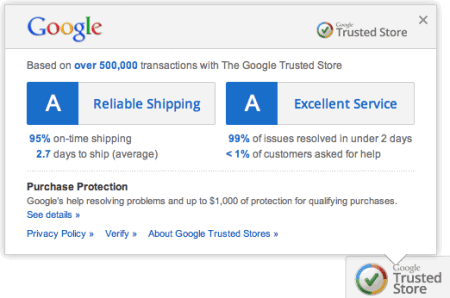
Awards, certifications, partnerships, media mentions and years in business all build credibility. Brian called these visible cues essential.
6. Be transparent about prices and policies
Clear pricing, shipping costs, refund policies and terms remove doubts. Hidden fees destroy trust instantly.
7. Answer quickly and kindly
Fast replies by chat, email or WhatsApp, and fair handling of complaints, are often what customers remember most. Every product has problems sometimes; easy-to-find, helpful support is what gets customers through them and keeps them loyal.
8. Engage authentically on social media
An active, helpful social presence shows your business is real and appreciated. Reply to comments and reviews, including negative ones, politely and publicly.
Build a community around your brand
Big brands like Apple sell partly because loyal fans recommend them. You can do the same on a smaller scale: a customer forum or group, user stories, and a newsletter that invites replies turn happy customers into advocates whose word of mouth is more trusted than any ad.
9. Publish helpful content
Guides, FAQs and honest comparisons show expertise and help customers before they buy. Search engines also reward content written by real experts.
Quick trust audit
- Open your site on a phone: does it load fast and look professional?
- Can a visitor find your phone number, email and address within 10 seconds?
- Does every page use HTTPS with no browser warnings?
- Are reviews, case studies or ratings easy to find?
- Are prices, delivery times and refund rules stated clearly?
- Have you replied to your latest Google and social media reviews?
Trust killers to avoid
- No contact information or only a web form.
- Stock photos of “team members” who don’t exist.
- Outdated content, broken links or an old copyright year.
- Aggressive pop-ups and fake urgency. See these unethical marketing practices.
Trust also helps you differentiate your business from competitors.
FAQ
How do I make my website look trustworthy?
Use HTTPS, a clean design, real contact details, an About page, genuine reviews and clear policies.
Do online reviews really build trust?
Yes. Most shoppers read reviews before buying, and a mix of mostly positive reviews with honest replies to criticism looks most credible.
Does a branded email address build trust?
Yes. An email address on your own domain looks more professional than a free webmail address and is less likely to be mistaken for a scam.
How long does it take to build online trust?
Basic trust signals can be added in a day, but a strong reputation is built over months of consistent service.
Originally written by guest author Brian Easter, CEO of the web agency NeboWeb. Updated for 2026 by QuickOnlineTips.
Stuck on a gift? Try our free Gift Idea GeneratorIdeas for anyone by age, job, interests and budget, with Amazon.com and Amazon.in linksFind gifts →Get our free weekly email: new tech guides and tools, no spam.
New and updated tech guides, a free tool worth bookmarking and one useful pick, once a week. No spam, unsubscribe anytime.
One email a week. Unsubscribe anytime. See our privacy policy.




Building trust is a slow and steady process and it involves lots of hard work and exposure. Above all mentioned points are awesome.I agree with you that visual distinction effect the mind at some level but it always don’t work with every one. Offline community is something difficult to go with (bloggers meet is a great way to expose yourself). I totally agree with social media branding.