
Google AdSense Auto Ads in 2026: Setup, Performance & When to Use It
Learn how to use Google AdSense Auto Ads in 2026. Setup guide, pros, cons, and how to improve earnings without hurting UX. AdSense auto ads are an excellent way to install AdSense code and run AdSense ads on any website easily and without any hassles. Typically we are used to placing AdSense code manually in different parts of the website where we think we will get high CTR and earn more money online by this advertising income stream.
If you’ve ever tried to manually place ads across your website, you already know how messy it can get. Too many ads hurt user experience, too few reduce earnings, and finding the right balance takes time. That’s exactly why Google introduced Auto Ads. Instead of manually placing ad units, Google automatically decides where and when to show ads based on your content and user behavior. The AdSense algorithm is able to decide smartly the number of ad units, their placement, and new ad types which can greatly enhance your AdSense income without any further effort on part of bloggers and site owners.
But in 2026, the question is not how to enable Auto Ads. It’s whether you should rely on them completely, or use them strategically.
What Are AdSense Auto Ads?
Google AdSense Auto Ads automatically place ads on your website using machine learning. Once enabled, Google analyzes your pages and inserts ads where they are likely to perform best.
You can learn more directly from Google here:
https://support.google.com/adsense/answer/9261306
Instead of manually inserting ad units, you just add one piece of code, and Google handles the rest. It’s a plug-and-play process with a single line of code that can be obtained from the AdSense dashboard once you decide to add your website and enable auto ads on it. It cannot be more simple than this.
How to Set Up AdSense Auto Ads
Setting up Auto Ads is straightforward.
- Log in to your AdSense account
- Go to Ads → Overview
- Enable Auto Ads
- Copy the code and place it in your site header
Once enabled, ads will start appearing automatically across your site.

While many of us use the code to insert Adsense inside posts or insert Adsense between blog posts, now you no longer have to bother about ad placement in different parts of your website.
We use WordPress Plugins like Adrotator and AdSense plugins to make this work easier by enabling custom ad placement, where we think the ad will get more clicks and earn more. Why not leave it to the AdSense algorithm to optimize had placement for maximum Adsense revenue?
Types of Auto Ads You Can Enable
Google allows you to control which formats are used.
Common formats include:
- In-page ads (within content)
- Anchor ads (sticky ads at top or bottom)
- Vignette ads (full-screen between pages)
- Multiplex ads (native-style grids)
Not all formats work equally well on every site. Choosing the right mix matters.
New Ad Types: Side Ads, Vignette Ads
A typical option available to Adsense publishers is display ads, matched ads, etc. Auto ads not only allow quick ad placements automatically but also allow options to enable new ad types like in-page ads, floating anchor ads, vignette full-screen mobile ads, and the more recent side rail ads.

Control Ad Count: Prevent Banner Blindness
Auto ads can fill your ads with ads and allows you to control how many ads of these types you want to show and you can turn off these ad options with a single click from the auto ads panel itself.
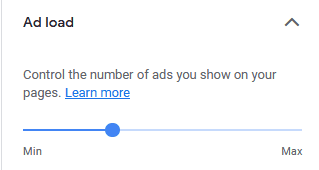
This is super helpful if you like to keep a low ad-to-content ratio and want to give a clean user experience.
Adsense Shopping Links is another useful experimental lab feature, but you cannot control it as well as auto ads.
Custom Ad Placement Control
The auto AdSense panel allows you to preview where the ads will appear on your website in desktop as well as mobile view and you can choose to delete ads in a particular area if you do not like the placement in that area.
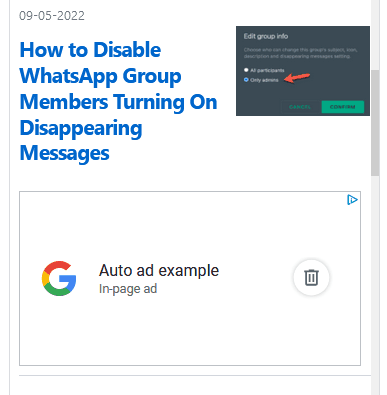
Sometimes those placements can be above the fold and can lead to high values in cumulative layer shift (CLS) and can reduce your web core vital scores and you might need to place a combination of ads that do not interfere too much with your site design and your user experience.
Similarly, you can also turn off the special types that I mentioned like vignette ads and the newly launched side ads.
Separate Auto Ads Reporting
There is separate tracking and reporting of AdSense auto ads. So if you decide to run manual AdSense ads simultaneously, you will be able to appreciate if adding auto ads did enhance or improve your AdSense income.
Manual Adsense ads friendly
It works well with the current Adsense unit which you may have inserted already to force High CTR locations and you do not want to mess with the earnings of a great placement.
Auto ads not only recognize and optimizes prior Adsense manually placed ads but also work in sync with them.
What Works Well With Auto Ads
From practical use, Auto Ads can perform well if used carefully.
- They save time and reduce manual placement effort
- Google optimizes placements dynamically
- Useful for large content-heavy websites
Auto Ads are especially helpful when you don’t want to manage individual ad placements across hundreds of pages.
What Doesn’t Work (Common Mistakes)
Auto Ads are not a “set and forget” solution.
Some common problems:
- Too many ads affecting user experience
- Poor placement breaking content flow
- Lower engagement due to intrusive formats
If left unchecked, Auto Ads can make your site look cluttered.
How to Optimize Auto Ads for Better Results
Instead of relying completely on defaults, you should tweak settings.
- Limit Ad Load – Reduce the number of ads shown per page. This improves user experience and can sometimes increase earnings.
- Disable Intrusive Formats – Turn off formats like vignette ads if they disrupt your audience.
- Combine With Manual Placement – This is where most people get better results. Use Auto Ads for background placements and less important pages. Use manual ads for high-traffic pages and key content areas
Impact on SEO and User Experience
Ads can affect both SEO and user experience if not managed properly.
Too many ads can:
- Increase page load time
- Reduce engagement
- Increase bounce rates
To avoid this, you should also optimize performance by improving page speed and improve content structure.
Tracking Auto Ads Performance
You should regularly monitor how Auto Ads perform.
Use:
- AdSense reports for earnings
- https://analytics.google.com/ for user behavior
- https://search.google.com/search-console/about for SEO impact
Look at metrics like:
- RPM (Revenue per thousand impressions)
- Bounce rate
- Session duration
Therefore I gave you simple reasons why you would like to test AdSense auto ads on your website like we do and give it a try and see if it makes a difference to your AdSense income. They are great for automation, but they should not replace strategy. The best results usually come from combining Auto Ads with manual placements and focusing on user experience.