Blue Beanie Day: Celebrating Web Standards Every November 30
Blue Beanie Day is an annual day on November 30 when web designers and developers wear a blue beanie, or add one to their profile photo, to show support for web standards and accessibility. Here is what it is, where it came from, and how to take part.

Quick answer: Blue Beanie Day falls on November 30 every year. It started in 2007 and was popularised by Jeffrey Zeldman, who wears a blue knit cap on the cover of his book Designing with Web Standards. People share photos in a blue beanie to promote standards-based, accessible websites that work in every browser and for every user.
Table of Contents
What is Blue Beanie Day?
The day was started in 2007 by Douglas Vos and taken up by the web community around Jeffrey Zeldman, a long-time champion of web standards. The blue beanie comes from the cover of his book Designing with Web Standards. Wearing one is a light-hearted way to say you build sites with valid, semantic HTML, CSS and progressive enhancement instead of browser-specific hacks.
Over the years the focus has grown to include web accessibility, since accessible sites depend on using HTML and ARIA correctly.
Blue Beanie Day 2012: what I saw
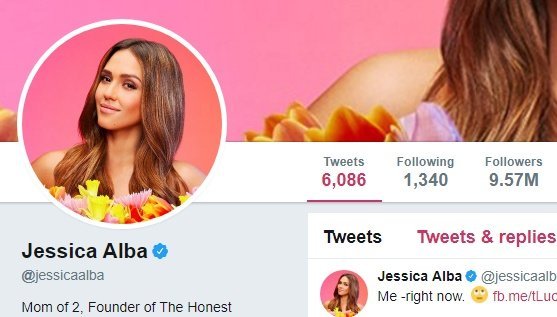
I first noticed it on November 30, 2012, the sixth annual Blue Beanie Day, when a surprising number of blue caps turned up on Twitter. Searching for the reason showed the web community gathering to support web standards. The Flickr group was busy with real and edited blue beanie photos, the #bbd12 hashtag was trending, and even the Pingdom staff wore blue hats to work that day.

Here is a short video about the day from that time:
Why web standards still matter
Web standards are the open specifications for HTML, CSS, JavaScript and accessibility that browsers implement. They are developed by groups such as the W3C and WHATWG. Following them means:
- Your site works everywhere: in any modern browser, on phones, tablets and desktops.
- It is accessible: screen readers and keyboard users can use semantic, well-structured pages.
- It lasts longer: standards-based code keeps working as browsers update.
- It helps SEO: clean, semantic markup is easier for search engines to understand.
In 2012 I suggested contributing to WebPlatform.org, a community documentation project. It has since closed, and today the most widely used reference is MDN Web Docs. For practical tips, see our list of essential web design elements.
How to celebrate Blue Beanie Day
- Wear a blue beanie (or edit one onto your photo) and share it on social media on November 30.
- Run an accessibility check on your own site, for example with the free WAVE tool.
- Validate your HTML with the W3C Markup Validation Service and fix the errors.
- Replace hacks such as image-based buttons with plain HTML and CSS, like these pure CSS social media icons.
FAQ
When is Blue Beanie Day?
November 30 every year.
Who started Blue Beanie Day?
It began in 2007, started by Douglas Vos and popularised by Jeffrey Zeldman, whose book cover inspired the blue beanie.
Why a blue beanie?
Jeffrey Zeldman wears a blue knit cap on the cover of Designing with Web Standards, so the beanie became the symbol of the web standards movement.
Do I have to be a developer to take part?
No. Anyone who cares about an open, accessible web can share a photo, though developers often use the day to fix accessibility and validation issues on their sites.
Get our free weekly email: new tech guides and tools, no spam.
New and updated tech guides, a free tool worth bookmarking and one useful pick, once a week. No spam, unsubscribe anytime.
One email a week. Unsubscribe anytime. See our privacy policy.