5 Best Drones for YouTubers in 2026 (Picks for Every Budget)
As a YouTuber, finding the best drones for YouTubers can be a daunting task. There are many options, each with its own camera, flight time and size. Most of the drones on older lists, like the Phantom 4 Pro, Mavic 2 Pro and Mavic Air 2, have been discontinued, so this guide picks five current models for 2026 based on camera quality, flight time, ease of use and how well they suit YouTube and Shorts.
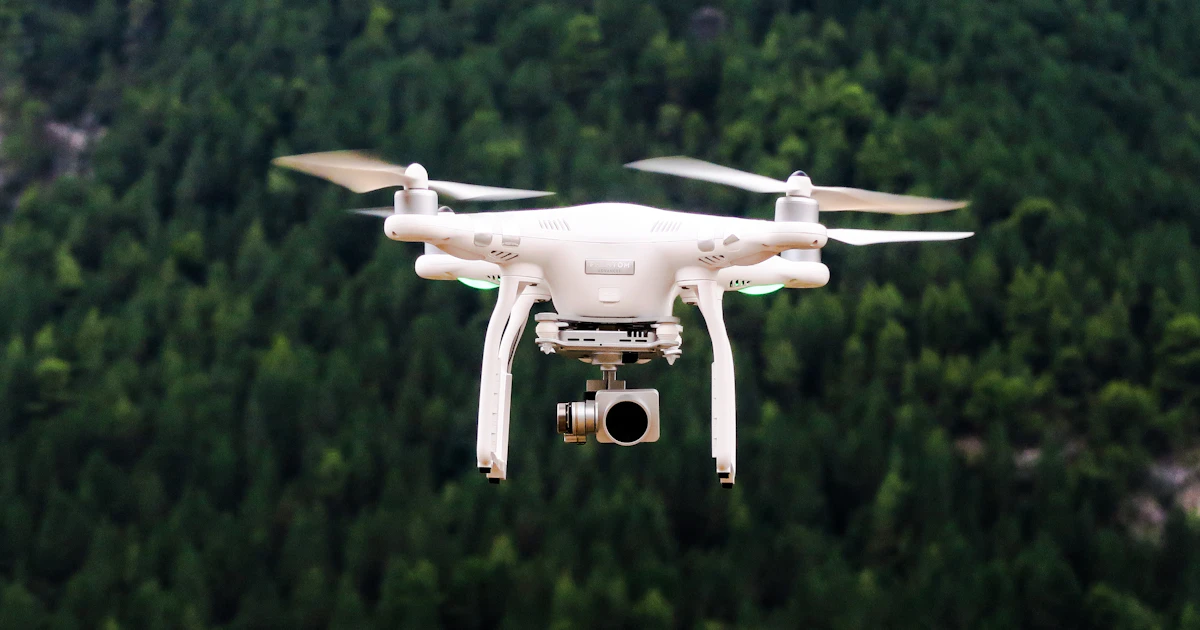
Quick answer: The DJI Mini 5 Pro is the best drone for most YouTubers in 2026: a 1-inch sensor, 4K/120fps video and true vertical shooting in a body of about 250 g. Choose the DJI Air 3S for a second telephoto camera, the DJI Mavic 4 Pro for professional 6K footage, the DJI Avata 360 for 360° and FPV shots, and the DJI Neo 2 for hands-free vlogs on a budget.
Table of Contents
5 best drones for YouTubers in 2026
| Drone | Best for | Main camera | Max video | Flight time | Weight |
|---|---|---|---|---|---|
| DJI Mini 5 Pro | Most YouTubers | 1-inch, 50MP | 4K/120fps | 36 min (52 with Plus battery) | About 250 g |
| DJI Air 3S | Travel and storytelling | 1-inch, 50MP + 70mm tele | 4K/120fps | 45 min | 724 g |
| DJI Mavic 4 Pro | Professional channels | 4/3, 100MP Hasselblad + 2 tele | 6K/60fps | 51 min | 1,063 g |
| DJI Avata 360 | 360° and FPV footage | Two 1/1.1-inch | 8K/60fps 360° | 23 min | 455 g |
| DJI Neo 2 | Vlogging and beginners | 1/2-inch, 12MP | 4K/60fps | 19 min | 151 g |
Specs are from the makers and reviews; real flight times are usually 15–25% shorter, especially in wind.
1. DJI Mini 5 Pro: best drone for most YouTubers
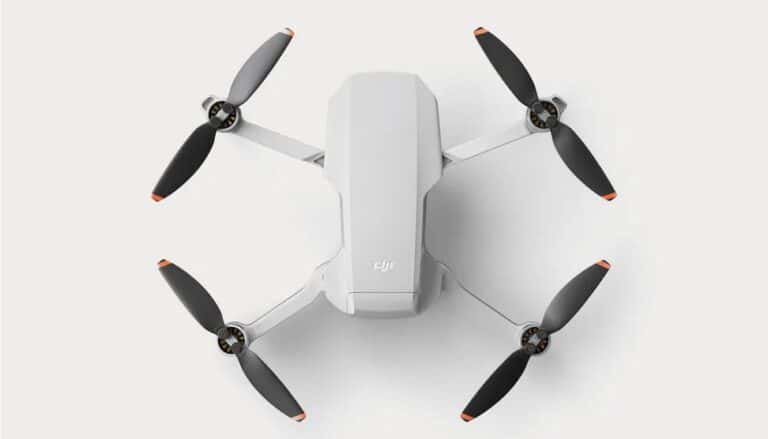
The DJI Mini 5 Pro (September 2025) is the first mini drone with a 1-inch sensor. It records 4K HDR at 60fps, 4K at 120fps for slow motion and 10-bit D-Log M for colour grading. Its gimbal rotates 225°, so you can shoot true vertical video for YouTube Shorts without cropping. It has forward LiDAR and omnidirectional obstacle sensing, and flies about 36 minutes on the standard battery or up to 52 minutes with the heavier Plus battery.
Why it suits YouTubers: near-Mavic image quality in a drone small enough for any backpack. Check the weight rules where you fly, because the standard battery keeps it at about 250 g, while the Plus battery pushes it higher.
Check the DJI Mini 5 Pro price on Amazon
2. DJI Air 3S: best for travel and storytelling
The DJI Air 3S pairs a 1-inch 50MP wide camera with a 48MP 70mm medium telephoto camera. Switching between a wide establishing shot and a tighter shot of your subject, without flying closer, makes travel videos look more cinematic. It records 4K/60fps HDR and 4K/120fps, flies up to 45 minutes and has LiDAR for safer night flights.
Why it suits YouTubers: two focal lengths give you more variety from one flight, and the longer battery life helps on location.
Check the DJI Air 3S price on Amazon
3. DJI Mavic 4 Pro: best for professional channels
The DJI Mavic 4 Pro (May 2025) is DJI’s flagship. Its 100MP 4/3 Hasselblad main camera shoots 6K at 60fps, and it adds 70mm (48MP) and 168mm (50MP) telephoto cameras. A gimbal that rotates 360° allows creative rolling shots, and the claimed flight time is up to 51 minutes.
Why it suits YouTubers: it’s the choice for filmmakers, real estate and travel channels that need the best image quality. It’s heavy and expensive (over $2,000 for the Fly More Combo), and it needs registration in most countries.
Check the DJI Mavic 4 Pro price on Amazon
4. DJI Avata 360: best for 360° and FPV footage
The DJI Avata 360 (March 2026) is DJI’s first drone with a 360° camera. Two 1/1.1-inch sensors record 8K/60fps spherical video, so you can fly first and choose your camera angle later while editing. It can also shoot 4K/60fps with a single lens, and its ducted cinewhoop frame makes it safer for close flying through buildings, trees and events.
Why it suits YouTubers: immersive FPV shots and reframing in editing. Flight time is shorter (about 23 minutes), and you need DJI Goggles for the full FPV experience. The drone alone costs about $500–$700.
Check the DJI Avata 360 price on Amazon
5. DJI Neo 2: best for vlogging and beginners
The DJI Neo 2 is a 151 g selfie drone that takes off from your palm and follows you without a controller. It records 4K/60fps (and 4K/100fps slow motion), has 49 GB of internal storage, gesture control and omnidirectional obstacle sensing with a forward LiDAR. Flight time is about 19 minutes.
Why it suits YouTubers: it’s the easiest way to add aerial shots and follow-me footage to vlogs, and it costs about $300–$400. The small sensor is weaker in low light than the drones above.
Check the DJI Neo 2 price on Amazon
How to choose a drone for YouTube
- Sensor size matters more than resolution. A 1-inch sensor gives cleaner footage at sunrise, sunset and indoors than a 1/2-inch sensor, even if both say 4K.
- Look for 4K at 60fps or more. 4K/60 is smooth for most videos, and 4K/100–120fps gives you slow motion.
- Vertical shooting helps Shorts. Drones with a rotating gimbal, like the Mini 5 Pro, shoot true vertical video, so you don’t lose resolution when cropping for Shorts, Reels and TikTok.
- Log or HDR profiles. D-Log M or HLG footage keeps more detail for colour grading.
- Weight affects the rules. Drones of about 250 g or less have fewer restrictions in many countries, but you still have to follow local flying rules.
- Buy spare batteries. A Fly More Combo with three batteries is usually better value than buying batteries later.
Drone rules for YouTubers
Making money from YouTube videos can count as commercial flying in some countries. In the US, read the FAA drone rules: recreational pilots need to pass the free TRUST test, and commercial pilots need a Part 107 certificate, plus Remote ID on most drones. In India, drones must be registered on the DGCA Digital Sky platform, and you need to check the green, yellow and red flying zones before you take off. Also respect privacy: don’t film people or private property without permission.
Note for US buyers: since December 2025, new DJI models that lack FCC approval can’t be legally imported or sold in the US. The five drones above have FCC approval, but stock can be limited, so buy from an authorised seller such as Amazon.com or DJI’s own store rather than a grey-market import. Our Amazon links above open the current US listings, where you can compare kits and Fly More Combos.
If you are just starting, our post on why mini drones are so popular explains the benefits of small drones, and you can also compare action cameras like the GoPro Hero 10 for ground footage.
Frequently asked questions
What is the best drone for YouTube beginners?
The DJI Neo 2 is the easiest to start with because it takes off from your hand and follows you automatically. If you can spend more, the DJI Mini 5 Pro gives much better image quality and is still easy to fly.
Do I need a licence to fly a drone for YouTube?
It depends on your country. In the US, flying for a monetised channel can count as commercial use, which needs an FAA Part 107 certificate. In India, drones must be registered on Digital Sky. Check your local aviation authority’s rules before flying.
Is 4K enough for YouTube drone videos?
Yes. 4K is enough for almost every YouTube channel. Higher resolutions like 6K and 8K help mainly when you want to crop, reframe or stabilise footage in editing.
Which drone has the longest flight time?
Among these picks, the DJI Mini 5 Pro with the Plus battery (up to 52 minutes) and the DJI Mavic 4 Pro (up to 51 minutes) fly the longest. Real flight times are shorter in wind and cold weather.
Is the DJI Phantom 4 Pro still good for YouTube?
The Phantom 4 Pro has been discontinued and is hard to repair or find batteries for. A current drone like the Mini 5 Pro or Air 3S has a similar or better camera in a much smaller body.
Photos from Unsplash
Disclosure: As an Amazon Associate, QuickOnlineTips earns from qualifying purchases.
Stuck on a gift? Try our free Gift Idea GeneratorIdeas for anyone by age, job, interests and budget, with Amazon.com and Amazon.in linksFind gifts →Get our free weekly email: new tech guides and tools, no spam.
New and updated tech guides, a free tool worth bookmarking and one useful pick, once a week. No spam, unsubscribe anytime.
One email a week. Unsubscribe anytime. See our privacy policy.