
The BBC Effect: What a BBC Click Feature Did to Our Traffic
In May 2008 QOT was featured on BBC Click, the BBC’s technology programme, and a wave of visitors followed. This BBC effect was nothing like the traffic spikes we got from Digg, StumbleUpon or del.icio.us. Here is what the traffic looked like, the 14 things I learned, and how to make the most of media coverage traffic in 2026.
Quick answer: A TV or major media feature brings steady, long-lasting traffic from people who search for your brand name, browse many pages and return later, rather than a short spike that crashes servers. In 2008 our BBC Click feature brought about 4,000 extra unique visitors in a week and up to 22,000 pageviews a day, but few comments, subscribers or ad clicks. The lasting win was branding, so prepare a strong home page and a clear way to follow your site before any media appearance.
Table of Contents
What the BBC effect looked like in our traffic
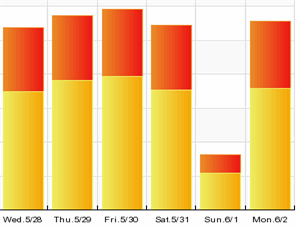
Here is what our Sitemeter traffic chart looked like that month.

How the traffic behaved
- Long lasting: the rise was sustained across the whole week and eased back to normal only when the next edition of Click aired and our episode moved into the archives.
- Uniform: there were no sudden spikes of the kind that crash shared hosting. Hourly traffic stayed even through the day, including when the US audience was asleep. Compare that with being hit by Digg and StumbleUpon or the del.icio.us front page effect.
- Many new visitors: about 4,000 extra unique visitors came over the week. They were targeted readers who knew what they wanted and browsed around.
- Lots of pageviews: pageviews reached about 22,000 a day. Our Popular page was shown on the programme, and many visitors used it as a jumping-off point.
- An international TV audience: Click was broadcast at different times around the world, so people kept arriving as each region watched. More of them searched for the site than clicked a link.
- No hosting problems: with no surprise peaks, our Dreamhost server handled it without a hitch.
- Several traffic sources: visitors came from the TV show, the Click archives, the Webscape web page and BBC World News pages, and a slow flow continued from the archived episode afterwards.
What did not grow much
- Backlinks: most viewers seemed to be tech-curious readers, not bloggers, so few new links followed.
- Comments: no more than usual, because the show recommended the whole site rather than one article.
- Subscribers: our feed count passed 15,500 on those days, so perhaps 100-200 new readers subscribed, but it was hard to tell.
- AdSense clicks: visitors came, read and browsed, but rarely clicked ads, so earnings rose only slightly despite more pageviews.
Why media coverage traffic is great for branding
When I studied the search keywords, hundreds of visitors had searched for quickonlinetips, quick online tips or quickonlinetips.com. Many had seen the programme and looked us up later. That brand awareness was the real prize.
It also beat our earlier newspaper feature. Print coverage brought little traffic because the online version was missing or buried, while the BBC combined TV exposure with supporting web pages and an international audience. At the time I still dreamed of getting on Yahoo! Buzz for the biggest traffic ever.
How to prepare for media coverage traffic in 2026
- Make your brand easy to find. Viewers will search for your name, so check your site ranks for it and that your home page loads fast on mobile.
- Give visitors a next step. Feature your best articles on the home page and offer a clear way to follow you, such as an email newsletter or social profiles. We lost many 2008 visitors simply because they never subscribed.
- Use a cache or CDN. Media traffic is usually smooth, but a viral social share can still spike, so caching protects your server.
- Measure it properly. Use Google Analytics to watch referral and direct traffic, and Google Search Console to see the rise in branded searches.
- Don’t count on ad income. As we found, curious first-time visitors rarely click ads. Treat the feature as branding and reader growth.
FAQ
What is the BBC effect on website traffic?
It is the steady rise in visitors after a site is featured on a BBC programme. In our case traffic stayed high for a week instead of spiking for a few hours.
How much traffic did BBC Click send to QOT?
About 4,000 extra unique visitors over the week, with pageviews reaching about 22,000 a day.
Is TV coverage better than social media traffic?
For us it was smoother and better for branding, but it brought fewer backlinks and comments than a social media hit. Each has its own value.
Why do media visitors search for your site instead of clicking?
People watching TV can’t click a link, so they remember the name and search later. That is why ranking for your own brand name matters.
Stuck on a gift? Try our free Gift Idea GeneratorIdeas for anyone by age, job, interests and budget, with Amazon.com and Amazon.in linksFind gifts →Get our free weekly email: new tech guides and tools, no spam.
New and updated tech guides, a free tool worth bookmarking and one useful pick, once a week. No spam, unsubscribe anytime.
One email a week. Unsubscribe anytime. See our privacy policy.


QuickOnlineTips has given best shot,this will surly have branding effect. More people will think Quick Online Tips as brand and not as a Blog.
very nice analysis, liked alot.