What Is Web 2.0? Meaning, Examples and How the Web Changed (2026)
In October 2005 “Web 2.0” was the hottest buzzword in tech, and everyone was asking what it actually meant. We pointed readers to Tim O’Reilly’s famous essay that tried to define it. Twenty years on, Web 2.0 describes the participatory web we use every day: social networks, user-generated content, web apps and APIs. Here’s what Web 2.0 means, the examples that defined it, and how it compares with Web 1.0 and Web3.
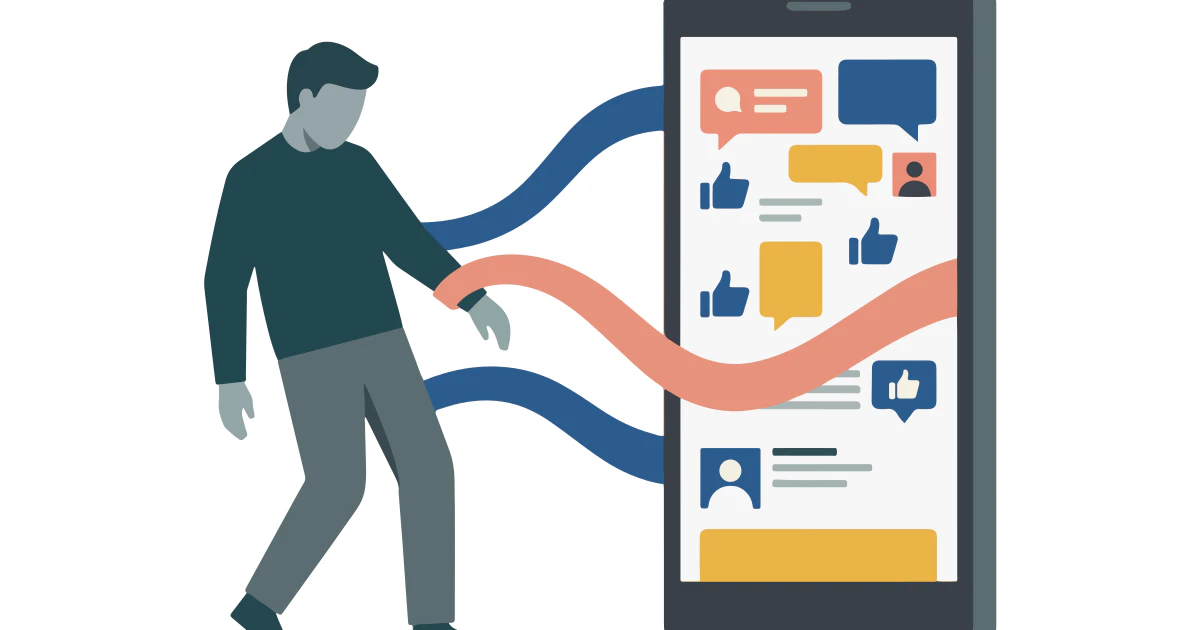
Quick answer: Web 2.0 is the second stage of the web, where sites became interactive platforms built around user participation instead of static pages to read. Users create the content (blogs, wikis, videos, social posts), sites act as web applications, and services connect through APIs and feeds. The term was coined by Darcy DiNucci in 1999 and popularized by O’Reilly Media’s Web 2.0 Conference in 2004 and Tim O’Reilly’s 2005 essay “What Is Web 2.0”.
Table of Contents
What does Web 2.0 mean?
Web 2.0 isn’t a new version of the internet or a technical standard. It describes a shift in how websites were built and used after the dot-com crash. Instead of companies publishing pages for visitors to read, the most successful sites became platforms where users contribute, share and connect. In Tim O’Reilly’s words, the web became a platform, and the value came from harnessing collective intelligence.
Where the term came from
- 1999: Designer Darcy DiNucci used the phrase in an article called “Fragmented Future”.
- 2004: O’Reilly Media and MediaLive International held the first Web 2.0 Conference in San Francisco. O’Reilly VP Dale Dougherty had noted that, far from having crashed, the web was more important than ever.
- September 2005: Tim O’Reilly published What Is Web 2.0, the essay that defined the term for most people. The second conference followed that October, and it was already sold out when we wrote about it.
Web 1.0 vs Web 2.0 examples
O’Reilly’s essay famously compared old and new approaches. Here are some of the pairs it listed:
- DoubleClick → Google AdSense
- Ofoto → Flickr
- Britannica Online → Wikipedia
- Personal websites → blogging
- Publishing → participation
- Content management systems → wikis
- Directories (taxonomy) → tagging (“folksonomy”)
- Page views → cost per click
- Screen scraping → web services
- Stickiness → syndication
Key features of Web 2.0
- User-generated content: blogs, wikis, reviews, photos and videos created by users.
- Social networking: profiles, friends, followers, likes and sharing.
- Rich web apps: Ajax and JavaScript let pages update without reloading, so sites like Gmail and Google Maps felt like desktop software.
- APIs, feeds and mashups: RSS feeds and open APIs let services share data and build on each other.
- Perpetual beta: software updated continuously instead of in boxed releases.
Web 2.0 in 2026: where it went
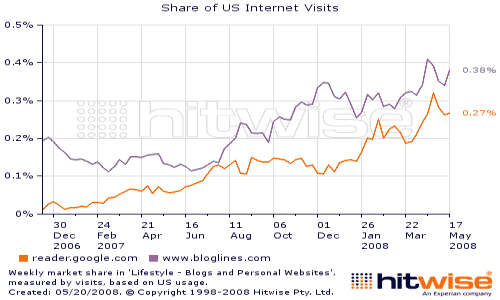
Web 2.0 won so completely that the label faded away. Facebook, YouTube, Wikipedia, Reddit, Instagram and TikTok are all Web 2.0 platforms; see our list of the most visited websites in the US. Some early stars didn’t survive, though. Services like Google Reader closed when the web shifted to social feeds; read what happened to Google Reader.
The downside of Web 2.0 is concentration: a few big platforms now control much of the content users create, along with the data and advertising built on it.
Web 1.0 vs Web 2.0 vs Web3
- Web 1.0 (roughly 1990s): mostly static, read-only pages.
- Web 2.0 (mid-2000s onward): read-write, social and platform-based.
- Web3: a term promoted from around 2021 for a web built on blockchains, crypto tokens and decentralized ownership. It remains debated and far less widely used than Web 2.0 platforms. (It’s different from the older “Semantic Web”, which was sometimes called Web 3.0.)
For bloggers, the Web 2.0 lesson still holds: build a home you control. Here’s how to create a brand for your blog.
FAQ
Who invented the term Web 2.0?
Darcy DiNucci coined it in 1999. Tim O’Reilly and O’Reilly Media popularized it in 2004 and 2005.
What are examples of Web 2.0 sites?
Wikipedia, YouTube, Facebook, Flickr, WordPress blogs, Reddit and X (Twitter) are classic examples.
Is Web 2.0 still used?
Yes. Almost every major site today follows Web 2.0 ideas, even if people rarely use the term any more.
What is the difference between Web 2.0 and Web3?
Web 2.0 is built around centralized platforms and user participation. Web3 proposes decentralized services built on blockchains, where users own their data and assets.
Get our free weekly email: new tech guides and tools, no spam.
New and updated tech guides, a free tool worth bookmarking and one useful pick, once a week. No spam, unsubscribe anytime.
One email a week. Unsubscribe anytime. See our privacy policy.