Best Smart Glasses in 2026: AI, Camera and Display Glasses Compared
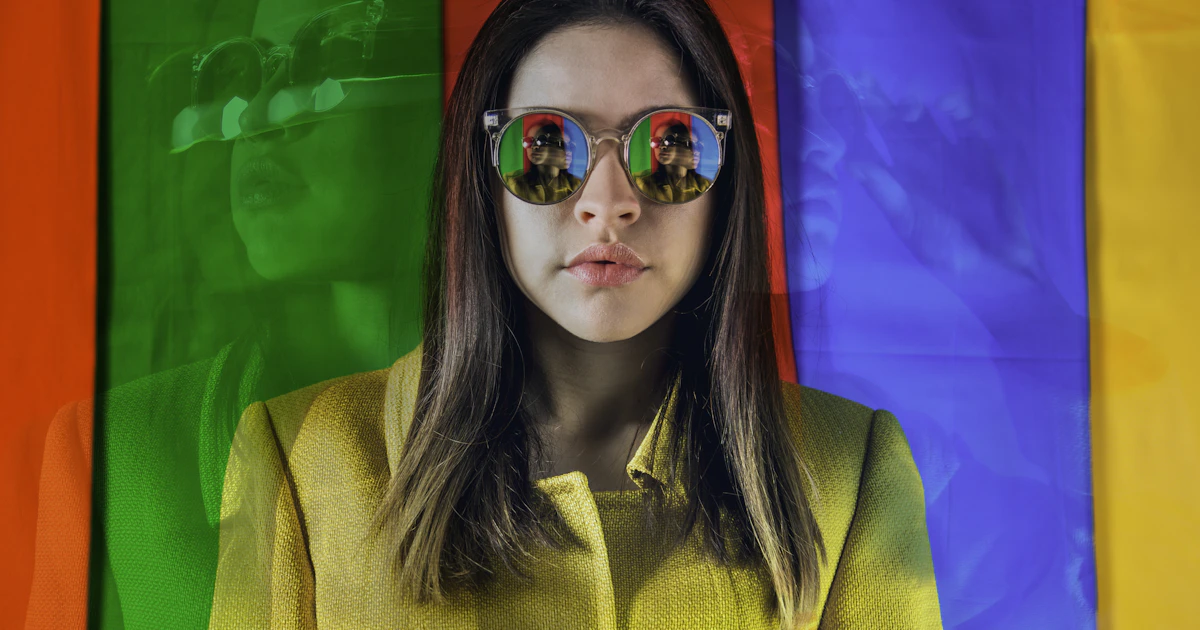
The best smart glasses for most people right now are AI camera glasses such as the Ray-Ban Meta (Gen 2): they look like normal frames, take photos and video, play music and answer questions by voice. But “smart glasses” now covers three very different gadgets, and the right pair depends on whether you want an assistant, a heads-up display or a giant private screen for movies and games.
Quick answer:
- Best overall: Ray-Ban Meta (Gen 2), from $379: camera, open-ear audio and Meta AI in a classic frame.
- Best for sport: Oakley Meta Vanguard, $499: IP67, wide-angle camera, Garmin and Strava links.
- Best with a display: Meta Ray-Ban Display, $799 with the Neural Band wristband.
- Best without a camera: Even Realities G2: a discreet display and no camera at all.
- Best for movies and gaming: XREAL 1S or XREAL One Pro, or the Viture Beast.
Table of Contents
Smart glasses compared
| Glasses | Type | Best for | Camera | Display | Price (official) |
|---|---|---|---|---|---|
| Ray-Ban Meta (Gen 2) | AI camera glasses | Everyday use | Yes, 3K video | No | From $379 |
| Oakley Meta HSTN | AI camera glasses | Active everyday wear | Yes, 3K video | No | From $399 |
| Oakley Meta Vanguard | AI sport glasses | Running and cycling | Yes, 12 MP, 3K video | No | $499 |
| Meta Ray-Ban Display | AI display glasses | Messages, maps, captions | Yes | Yes, one lens | $799 (with Neural Band) |
| Google Intelligent Eyewear | AI camera glasses | Gemini users | Yes, 12 MP, 3K video | No (audio model) | See the brand sites |
| Rokid AI Glasses Style | AI camera glasses | Light weight, lower price | Yes | No | From $299 |
| Even Realities G2 | Display glasses | Privacy, prescription wearers | No | Yes, green micro-LED | See its site |
| XREAL 1S | XR display glasses | Movies and gaming | No | Yes, 1200p, 120 Hz | See its site |
| XREAL One Pro | XR display glasses | A wider screen | Optional add-on | Yes, 1080p, 57° | $599 list |
| Viture Beast | XR display glasses | A very bright big screen | No | Yes, up to 1200p | See its site |
Prices are the makers’ own list prices and change often with sales, so check the store before you buy.
The three kinds of smart glasses
AI and camera glasses
These look like ordinary sunglasses or prescription frames. A small camera in the frame takes photos and video, open-ear speakers in the arms play music and calls, and a voice assistant (Meta AI or Gemini) answers questions about what you are looking at. There is no screen: everything comes back as audio, and your photos sync to a phone app.
Display (heads-up) glasses
Display glasses add a small see-through screen in one or both lenses for messages, directions, captions, translation or notes. Some have a camera (Meta Ray-Ban Display), some leave it out on purpose (Even Realities G2).
XR or “AR” glasses for a big virtual screen
Glasses like the XREAL 1S and Viture Beast plug into a phone, laptop, handheld console or Switch with a USB-C cable and show a large virtual screen in front of you. They are for watching films on a plane or gaming on the sofa, not for wearing all day. Most have no camera and no built-in assistant.
Best AI and camera smart glasses
1. Ray-Ban Meta (Gen 2): best smart glasses for most people
The second-generation Ray-Ban Meta (external site, opens in new tab) glasses are the easiest smart glasses to live with. Meta says they last up to eight hours with typical use, charge to 50% in about 20 minutes, and the case adds up to 48 hours more. The camera records 3K Ultra HD video, and Meta AI can describe what you see, translate conversations and play music through the open-ear speakers. Prices start at $379, with prescription and Transitions lens options at extra cost. They are also sold on Amazon (external site, opens in new tab).
- Good: classic Ray-Ban styles, long battery life, easy hands-free photos and calls.
- Watch out: no display, and the best AI features need the Meta AI app on your phone.
2. Oakley Meta HSTN: Ray-Ban Meta features in a sportier frame
Oakley Meta HSTN (external site, opens in new tab) glasses share the same idea in a sportier Oakley frame. Meta lists up to eight hours of typical use, up to 19 hours on standby, up to 48 hours of extra charge from the case, 3K video and an IPX4 rating against splashes. Prices start at $399.
- Good: bolder sports look, splash resistance.
- Watch out: not built for hard training sessions; that is what the Vanguard is for.
3. Oakley Meta Vanguard: best smart glasses for running and cycling
The Oakley Meta Vanguard (external site, opens in new tab) is Meta’s performance pair. It has a 12 MP camera with a 122-degree wide-angle lens, 3K video with slow motion and hyperlapse, up to nine hours of battery life (plus 36 hours from the case) and an IP67 dust and water rating. With a compatible Garmin watch you can ask for live stats by voice and have clips recorded automatically at distance or heart-rate milestones, and you can post workout overlays to Strava. Price: $499.
- Good: tough, wide-angle action camera on your face, sports integrations.
- Watch out: wraparound shield style is not for everyday office wear.
4. Google Intelligent Eyewear (Warby Parker and Gentle Monster): best for Gemini
Google’s Intelligent Eyewear (external site, opens in new tab) runs Android XR with Gemini built in, in frames designed by Warby Parker and Gentle Monster. The audio glasses have an ultra-wide 12 MP camera with video up to 3K and up to 9 hours of battery life. Gemini can answer questions about what you see, give turn-by-turn directions, read and summarise messages, and translate speech and signs. Google lists support for recent Pixel phones, Samsung Galaxy S and Z phones and iPhone 13 or later, with accounts in the US and South Korea; check its site for the current phone list. Order through the Warby Parker or Gentle Monster stores, which show the current prices.
- Good: Gemini on your face, works with iPhone and Android, mainstream eyewear brands.
- Watch out: limited to a few countries for now.
5. Rokid AI Glasses Style: lightweight budget pick
Rokid AI Glasses Style (external site, opens in new tab) weigh 38.5 grams and start at $299, with a bundle that adds prescription photochromic lenses. Rokid says they last up to 12 hours of daily use and work with several AI models, including ChatGPT. They are sold on Rokid’s own site and on Amazon.
- Good: light, lower price, choice of AI models.
- Watch out: smaller app ecosystem than Meta or Google.
Best smart glasses with a display
6. Meta Ray-Ban Display: best display glasses with a camera
Meta Ray-Ban Display puts a full-colour screen in the right lens and comes with the Meta Neural Band, a wristband that reads small finger movements so you can scroll and click without touching the glasses. You can read WhatsApp, Messenger and phone messages, take video calls, see walking directions in select cities, frame photos with a viewfinder, and turn on live captions and translation. Meta lists up to six hours of mixed use (30 hours with the case) and a weight of 69 grams. The price is $799 including the Neural Band, and Meta encourages an in-store demo before you buy.
- Good: the most capable display glasses with a camera, clever wrist control.
- Watch out: highest price here, shorter battery life than the camera-only models.
7. Even Realities G2: best display glasses without a camera
Even Realities G2 (external site, opens in new tab) glasses are built for people who want a heads-up display without filming anyone. A green micro-LED display (640 x 350, 27.5° field of view, 1,200 nits) shows notes, translation, navigation and AI answers, and Even says the battery lasts up to two days, with a case that holds seven full charges. Custom prescription lenses cover -12.00 to +12.00, and an optional Even R1 smart ring controls the glasses with taps and scrolls. “Camera-free. By design,” as the company puts it.
- Good: discreet, long battery life, strong prescription support, no privacy worries for people around you.
- Watch out: monochrome display, no photos or video.
Best XR glasses for movies and gaming
8. XREAL 1S: best big-screen glasses for most people
XREAL 1S (external site, opens in new tab) glasses use Sony micro-OLED screens at 1200p and 120 Hz, with up to 700 nits of brightness and XREAL’s own X1 chip keeping the virtual screen steady as you move. They weigh 82 grams, have Bose-tuned speakers, and can turn ordinary 2D video and games into 3D on the glasses themselves. Plug them into a phone, laptop or handheld that outputs video over USB-C. Check XREAL’s store or Amazon (external site, opens in new tab) for the current price.
9. XREAL One Pro: wider view for a premium price
The XREAL One Pro (external site, opens in new tab) widens the field of view to 57° (up to a 171-inch virtual screen) with 1080p, 120 Hz micro-OLED displays at 87 grams. An optional XREAL Eye camera ($99) adds 6DoF tracking and 12 MP photos when used with XREAL’s Beam Pro. List price is $599.
10. Viture Beast: brightest big screen
Viture Beast (external site, opens in new tab) XR glasses offer up to 1200p resolution, up to 1,250 nits of brightness and what Viture calls a 174-inch screen at 4 metres, with built-in 3DoF tracking. Viture lists Android and iOS devices, Switch 2, Mac and Windows among the supported devices. Check its store or Amazon (external site, opens in new tab) for the current price.
How to choose the right smart glasses
- Want photos, music and an assistant? Pick AI camera glasses: Ray-Ban Meta for everyday wear, Oakley Meta Vanguard for sport, Google’s eyewear if you live in Gemini, Rokid for a lower price.
- Want to read messages or directions without your phone? Pick display glasses: Meta Ray-Ban Display with a camera, Even Realities G2 without one.
- Want a private big screen? Pick XR glasses: XREAL 1S for most people, One Pro for a wider view, Viture Beast for brightness. Check that your phone or laptop outputs video over USB-C.
- Wear prescription glasses? Check each maker’s lens range before you buy; Even Realities and the Meta and Google partner brands offer prescription options.
- Phone compatibility: AI glasses pair through a companion app; Google publishes a list of supported phones, so check yours first.
Smart glasses and privacy: recording etiquette
Camera glasses have a light that comes on while they record; Google says its glasses stop recording if the light is covered. Still, people around you may not notice, so:
- Ask before filming people up close, and turn the glasses off in changing rooms, gyms, schools, hospitals and anywhere with a “no recording” sign.
- Check workplace and venue rules; many concerts, cinemas and offices ban recording devices.
- Review the companion app’s privacy settings, including whether voice recordings and photos are stored or used to improve the AI.
- If you are worried someone is filming you, our guide on how to tell if someone is filming you with smart glasses explains what to look for.
Are smart glasses worth it as a gift?
For someone who already wears sunglasses, records their runs or rides, or listens to podcasts all day, AI camera glasses make a memorable gift. For a traveller or gamer, XR glasses are the better choice. For more ideas, see our best tech gifts for everyone on your list, the tech gifts for dad, and our pick of budget earbuds if open-ear audio is all they need.
FAQ
What are the best smart glasses right now?
For most people, the Ray-Ban Meta (Gen 2): good battery life, a 3K camera, open-ear audio and Meta AI in a normal-looking frame. Choose Meta Ray-Ban Display or Even Realities G2 if you want a screen, and XREAL or Viture glasses for movies and games.
Do smart glasses work with iPhone?
Most do. Meta’s glasses pair through the Meta AI app, Google lists iPhone 13 and later for its eyewear, and XR glasses like XREAL and Viture connect to USB-C iPhones and other devices that output video over USB-C.
Can you get smart glasses with prescription lenses?
Yes. Ray-Ban Meta, Oakley Meta, Google’s Warby Parker and Gentle Monster frames and Even Realities G2 all offer prescription options; check the lens range and extra cost on each maker’s site.
Which smart glasses have a display?
Meta Ray-Ban Display and Even Realities G2 have heads-up displays for everyday use. XREAL 1S, XREAL One Pro and Viture Beast have large virtual screens for media, but they are tethered by a cable.
Which smart glasses have no camera?
Even Realities G2 is camera-free by design, and the XREAL 1S and Viture Beast have no built-in camera (XREAL sells an optional camera for the One Pro).
Disclosure: As an Amazon Associate, QuickOnlineTips earns from qualifying purchases.
Subscribe to our weekly tech newsletter
🎁 Free 100 Tech Terms ebook when you subscribe. Unsubscribe anytime. Privacy